I loved going back to school. Summers off were fun, of course – lounging at the swim club, riding my bike everywhere, family camping vacations, basketball camp. Carefree days that seemed to last so much longer than days today. But fall is my favorite season and the end of summer always meant a new school year. And a new school year meant … new school supplies!! New notebooks, new pens and pencils, new packs of paper, new zip folders, and a new lunchbox. I loved the list, the shopping, the putting everything together. New clothes were okay, but new school supplies? Now we’re talking!
I still love office supplies. I love to go to Staples (though I visit so infrequently now that they’ve closed nearby stores). We have cabinets in the back staff room of my library with boxes of paper clips, staples, folders, sticky notes, pens and pencils, highlighters, spiral notebooks. Sometimes when I’m waiting for my lunch to reheat in the microwave, I’ll just poke around to see what’s new there. Sometimes I’ll take a new pencil, just to sharpen it.
And my obsession doesn’t end with the supplies themselves. No. I have BOOKS about office supplies. I read James Ward’s, Perfection of the Paper Clip. I have Caroline Weaver’s, Pencils You Should Know. I’ve read every book in Ian Sansom’s “Mobile Library Mystery Series,” but I’ve also read his book, Paper: An Elegy.
All of this is prelude to describe my absolute joy and delight when Craig Robertson, PhD, associate professor of communications at Northeastern University, delivered this year’s Leiter Lecture during the opening plenary session of the Medical Library Association’s annual meeting in Detroit a couple weeks back. The title of his talk was the title of his latest book, The Filing Cabinet: A Vertical History of Information.
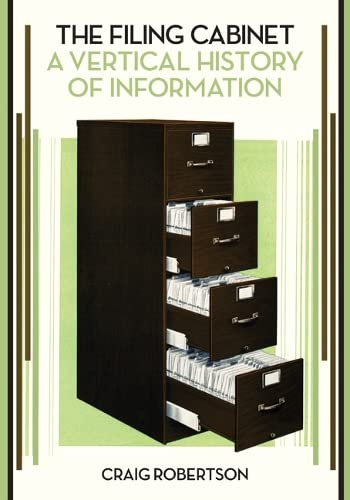
You can only guess how drawn I was, immediately, to the talk. I learned that the filing cabinet was invented in the 1890 by Library Bureau, a business founded by Melvin Dewey (yes, the same) to build and provide supplies to libraries. I learned that the filing cabinet was – and still is – a key technology. While we might not see the long rows and banks of filing cabinets that once filled offices, the concepts of files, folders, and tabs that we make use of daily with our computers are concepts straight outta the filing cabinet.
More interesting, Robertson traced the history of sexism in business and information professions through the history of filing cabinets, from their height, to the size of the drawers, to advertising images showing women doing the filing (even disembodied female hands filing) while men sit at their desks, waiting for the information. I learned about “deskilling” in the office setting, about Barney Google (Google!), about capitalism and the economization of knowledge. It was a brilliant talk that left me wanting more, so of course I bought the book! (Even got it autographed.)
I’ve spent countless hours as a librarian thinking about the repercussions of our predominantly female workforce operating in a male-driven world. I’ve thought about how people (more often men) do the very same type of work but call it “information management” or “information technology.” I’ve thought about how calling the work something else and then building a male-dominated workforce around it yields a higher paying profession. I’ve thought about the gigantic wave of data and data science, and how male-dominated (and higher paying) these professions are to date. Filing cabinets were for women; computers for men. Or so it seems. (Caveat: I am speaking in grand terms here. Please don’t yell back at me that women are not represented at all in Silicon Valley.)
Tracing the history of these trends through the filing cabinet is fascinating to me. I enjoyed the lecture tremendously and can’t wait to read the book in full. I’m obsessed.
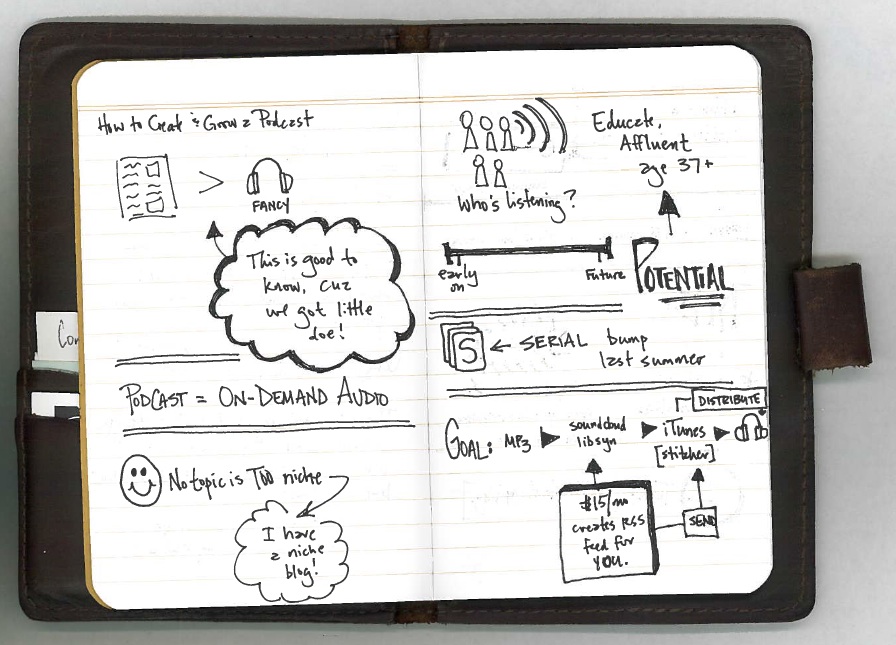
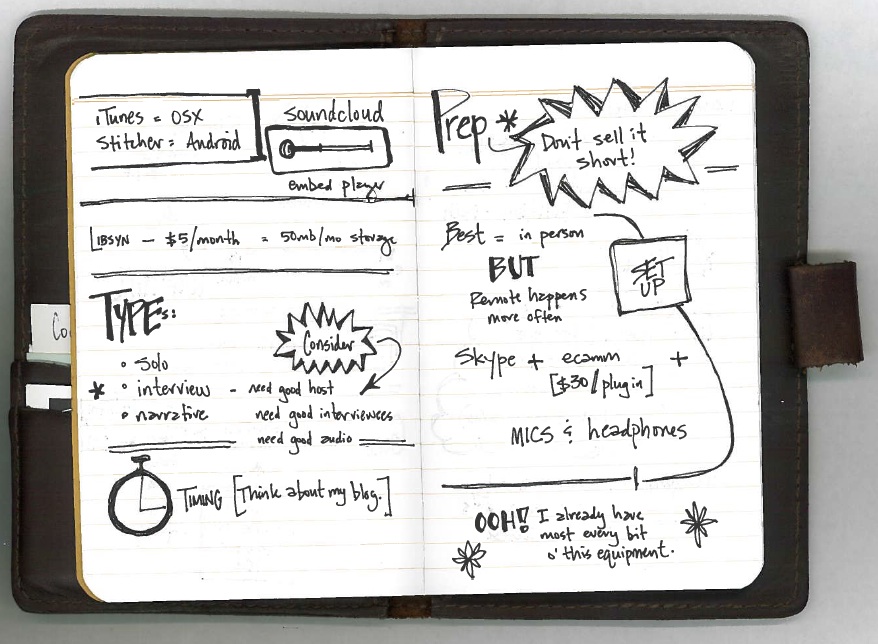
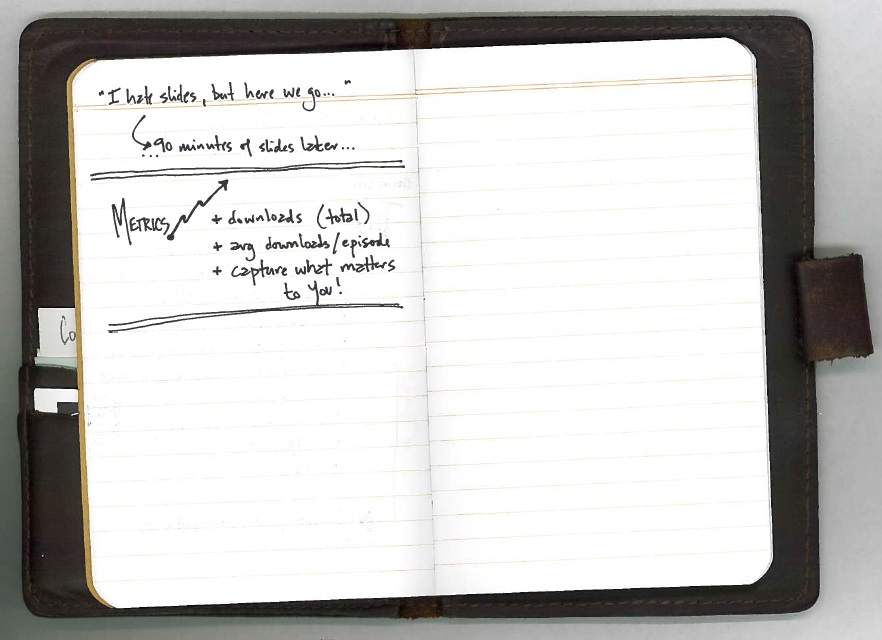
My sketchnotes of the lecture can be found here.



 A Librarian by Any Other Name