Archive | Skills RSS feed for this section

If It Ain’t Broke…

4 Apr

There’s a world that exists independently of your presence. Sounds, lights, people – there is an entire space that functions quite well without you. It is necessary to see and understand that which already exists to know what contribution you can make. (Livingston Taylor, Stage Performance)

A friend recommended Livingston Taylor’s book to me. He told me it’s filled with terrific advice to help develop skills and techniques for performing on stage, something that I do with both my band and at open mics. What he didn’t tell me – because why would he ever think of it? – is that it’s also filled with terrific advice for librarians, the above quote but one example.

In interviewing researchers about their data practices, one thing that has become pretty clear to me is that most people follow certain processes and/or have certain habits because they work. It isn’t so much that they don’t want our help in managing their information and data, but rather they don’t see that they need it. Everyone knows a person or two who keeps an incredibly cluttered desk. The registrar at a school I once went to was one of these people. The man worked behind a mountain of files and papers and books. You couldn’t see one square inch of his desk. You could hardly find one square foot of clear floor space to stand, if you had to go see him for anything. That said, no matter what you went to see him for, he could reach his hand into the middle of some pile within a second and produce for you just what you needed. Was it a disaster waiting to happen? Sure! I feel for whoever assumed his duties when he retired. What a nightmare it likely was. And you can imagine the disruption and chaos that could have occurred if anything suddenly happened to him. But, you would be hard-pressed to convince him to adopt a different system of organization by arguing that his didn’t work. It did. It worked quite well for him.

I think one of the big mistakes that we can make when we’re trying to develop and sell new services to our patrons is forgetting to first gain a really good understanding of their world. Interviewing folks is really helpful to this end. So is simply observing people; paying attention to how they work. We can get a little insight into how a student finds a database on our website by asking her, but we can probably get a bigger picture by watching. We all describe how we do things a little differently than we may actually do them. If you ask me how I form a G chord on my mandolin, I’ll put all four fingers on the fret board. If you saw me playing with friends last night, you’d have seen me take a dozen shortcuts. If I want to develop some kind of tool that would help me play better (besides practice, practice, practice), I’d do well to take both situations into account.

For a long time, medical librarians have been claiming expertise in the area of searching the literature. We are “expert searchers,” we like to say. We get really frustrated when students or clinicians or researchers don’t come to us for help. We fret over their incompetency. We either get angry or suffer inferiority complexes when we’re brushed aside unneeded. “They don’t know what they’re missing,” we think. Maybe. But also, we don’t know what we’re missing – the fact that the way in which these folks are searching is working for them. Most of the time, it works just fine. With this being the case, it’s pretty hard to convince them otherwise. We need a different tact.

As we begin to promote the librarian’s role in data management, I hope we don’t repeat some of these same mistakes. We need to understand how people are already managing their data. When we talk about how important it is to share data, it’s good to know ahead of time that most of the people in the room already share data. Like searching, we claim expertise in areas that we believe can make the situation better, but we need to remember that “there’s an entire space that functions quite well” without us. With this mindset, we’re likely better able to see how we can fit rather than how we can fix. We hope that the final outcome is that we fix a thing or two, but saying (or even thinking),”You’re doing it wrong!” isn’t going to get us very far in finding where we fit. Accomplishing the latter will ultimately allow us to develop and provide the kind of tools and services that people will both want and use.

Next week, I’m off to the Texas Library Association’s annual conference. I’m looking forward to reporting some fun facts from there, all with a bit of Texas twang!

Playing Along

Playing Along

Librarians: Building Social Capital, One Problem Solved at a Time

26 Mar

I’ve been spending my nights and spare time lately working on a couple of presentations that I’ll be giving at the Texas Library Association’s annual conference in San Antonio next month. Doing such gets my creative juices flowing and as I was doodling some drawings for my talk (along with reading more about social capital), I thought of how long we librarians have been at the business of solving problems. More, I thought about the capital that we build over time doing just this.

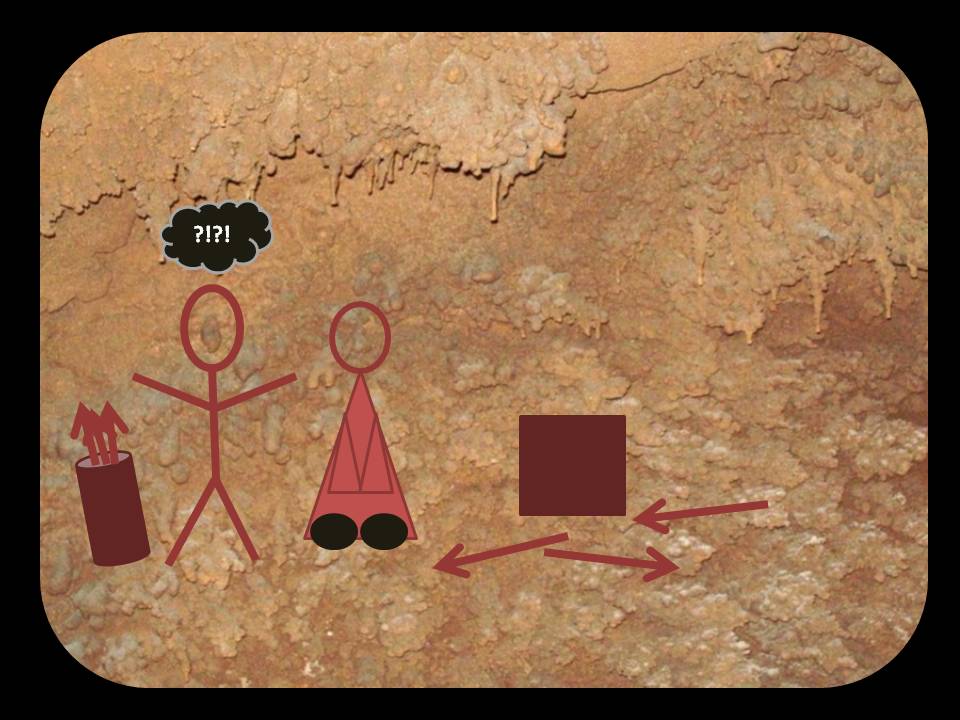
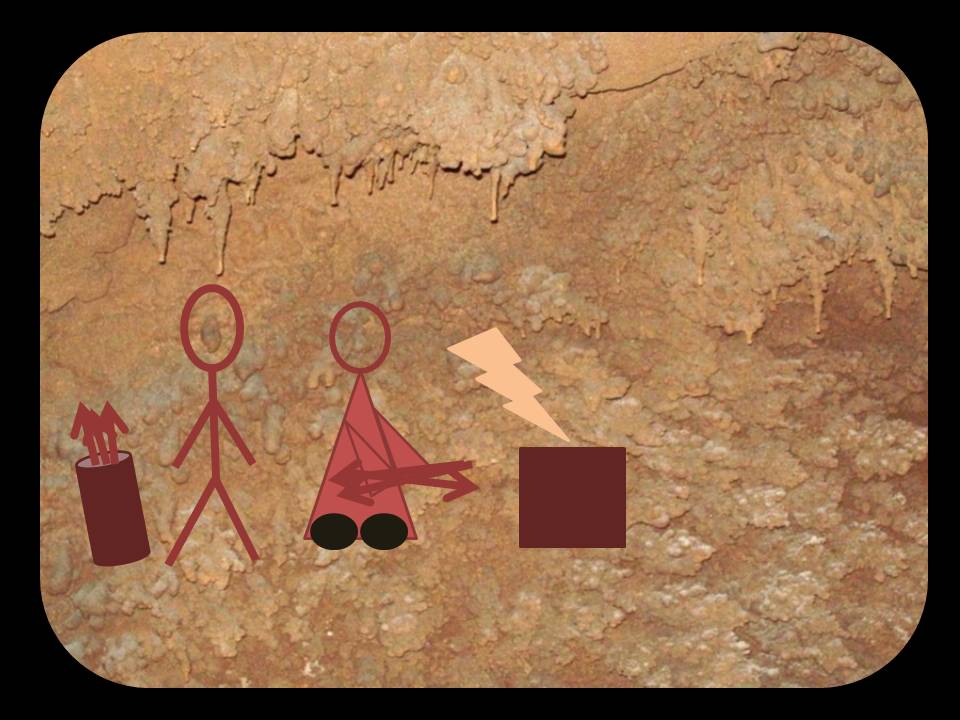
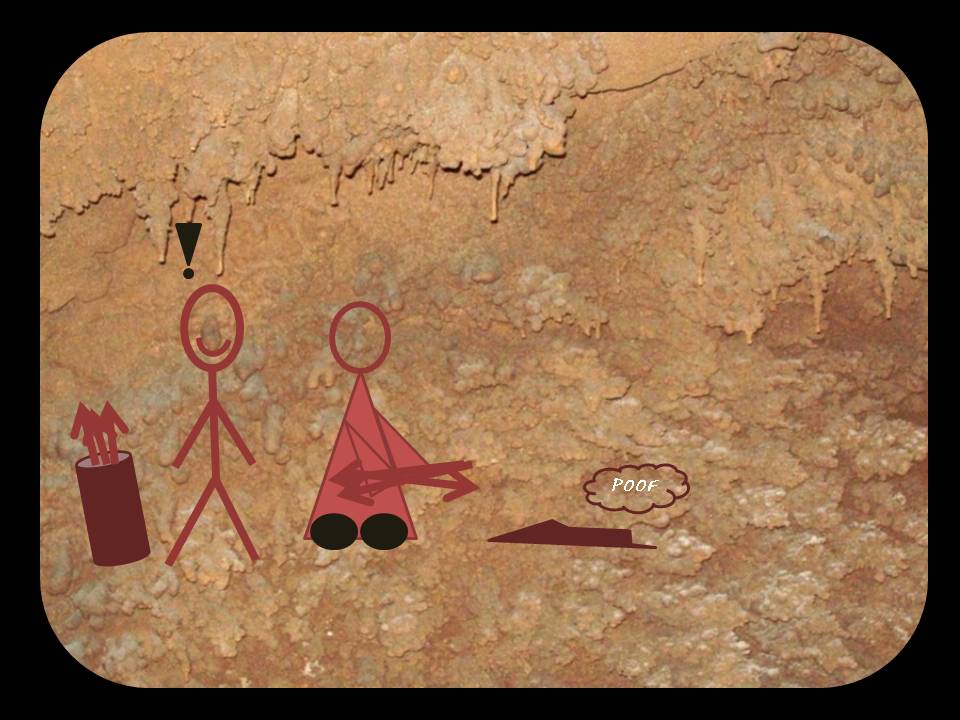
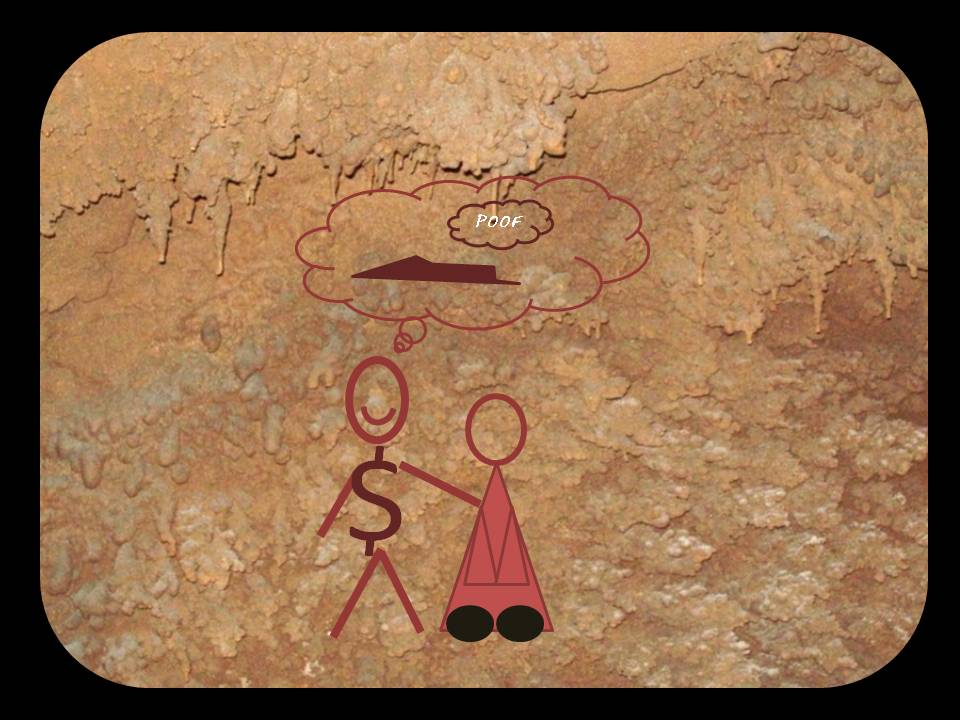
I had an experience last week where I made a “house call” across the street to help someone and in my mind, it ended up looking something like this:
Slide1Slide2Slide3Slide4Slide5Slide6Slide7

Librarians: Building Social Capital, One Solved Problem at a Time

Since the Beginning of Time 

Time Management is a Team Sport

7 Mar
March Madness!

March Madness means Clock Management

I had my annual review and goals chat with my supervisor earlier this week. Like probably every other year, the topic of time management came up. It’s not that I’m particularly bad at managing my time, but more that our working environment is one that requires we be pretty adept at juggling multiple projects at the same time. As I spend more of my time as an embedded librarian, time management also becomes more important. And more difficult. 

I’ve written about the topic in previous posts (one example, Don’t Forget to Change Your Clock), generally pointing out resources and a mindset to help an individual become better at the skill. This year, however, as Rebecca and I were talking about time management, I said, “You know, time management is really a team sport.” What I mean by this is that the saying, “Your time is not your own” has a lot of merit when you work on teams, committees, collaborative projects, and anything (everything) that involves other people and their time. One of the biggest challenges that I think we face when we list “improve time management skills” as a personal goal is that it doesn’t take into account this fact. And interestingly, neither do all of the gurus out there in the business world who write popular books claiming, “If you only do this, you’ll succeed.” 

I did a quick search at Amazon to find some of the best sellers in the category and noticed a common characteristic of the authors that I think may explain why they can espouse this… every single one of them works for him or herself:

  • David Allen, Getting Things Done, productivity consultant
  • Tim Ferris, 4-Hour Work Week, author, entrepreneur, angel investor, and public speaker
  • Laura Vanderkam, 168 Hours: You Have More Time than You Think, author and freelance journalist
  • Julie Morgenstern (no relation to Rhoda’s sister), Time Management from Inside Out, runs her own eponymous enterprise
  • Steve Chandler, Time Warrior, coach and “ultimate personal transformation guide”
  • Brian Tracy, Eat That Frog, motivational speaker and author

Now please don’t hear me saying that you can’t learn a thing or two or twelve from these authors’ work, or that self-employment frees you from having to manage your time within the context and/or limitations of others. I know plenty of people who work for themselves and I know very well how they have to work to deadlines or deal with customers’ schedules. Of course they do. No one is an island, so John Donne said so long ago. We all live and work with others and their priorities and their calendars. Still, I do believe that the more that your work involves answering to yourself first, the more control you have over your time. For most of us who work in departments and institutions and businesses, we strive to perfect the dance between our own and everyone else’s priorities and expectations and schedules. And that makes time management a team sport – a team goal.

When we were writing the grant proposal that ultimately led me to my first informationist role, the team worked out a detailed timetable for when the different aims would be worked on and deliverables delivered. I remember one of the PIs asking me specifically, “Do you think that you can do all of this in 18 months?” Looking at the work on paper I replied, “Sure,” but just like any fantasy baseball team, everything looks better on paper. My schedule on paper didn’t also include the rest of the team’s schedule. It didn’t include the Library’s schedule. It didn’t include the schedules of the other projects that would come along during those 18 months and the people and their schedules that came with them. And thus, at the end of 19 months now, everything isn’t finished. This isn’t a whine or a complaint or a “whoa is me, I’m overwhelmed” moment. This is simply reality; the reality of how we work. 

It’s easy to think you’ve failed at something or that you lack skills or discipline when this happens, but that seems pretty shortsighted and not terribly fair. Can we all improve, as individuals, in time management? Probably so, but let’s also be a bit kind to ourselves and others if/when we drop one of the balls during our juggling acts. And as we enter into March Madness, don’t forget what the coaches always say: There is no I in TEAM. Corny, but true.